Bubble Boba: A Joyful Display Font for Lively Editorial Designs
A Refreshing Font for Expressive Content Layouts
While working on a recent redesign for a digital wellness magazine, I found myself sifting through countless display fonts in search of something that felt both fresh and emotionally engaging. That’s when I came across Bubble Boba—a font that immediately stood out with its soft, rounded edges and cheerful rhythm. It wasn’t just the visual appeal that caught my eye; it was how naturally it seemed to fit into a modern editorial layout without sacrificing clarity or personality.
Visual Character and Editorial Mood
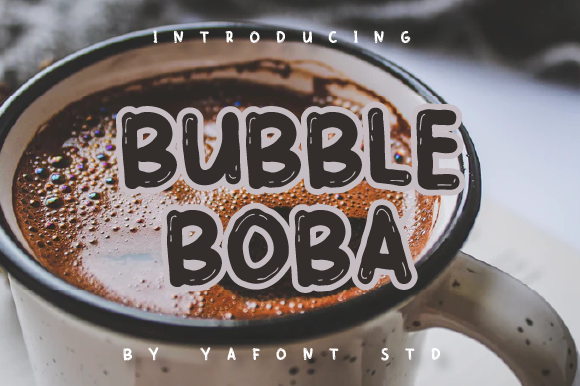
Bubble Boba is a playful yet refined display font that blends modern whimsy with clean typographic structure. Its rounded letterforms and subtle bounce give it a lighthearted tone, while the balanced spacing ensures it remains legible even at smaller sizes. This makes it especially effective for editorial projects that aim to feel approachable—think lifestyle blogs, recipe ebooks, and digital planners where warmth and readability are equally important.
When used in a newsletter header or a blog title, Bubble Boba brings a sense of energy and optimism. It’s not overly decorative, which allows it to maintain a professional edge while still standing out from more conventional fonts. The font’s personality leans toward the friendly and creative, making it ideal for content that wants to feel personal without veering into the overly casual.
Practical Applications in Content Design
In practice, I’ve found Bubble Boba shines best when used in short bursts. It works beautifully as a header font for a digital magazine cover or a chapter opener in a printable course guide. I recently tested it in a wedding planning ebook layout, where it was used for section titles and pull quotes. The result was a layout that felt cohesive and inviting, with a distinct editorial voice that resonated with readers.
It also performs well in newsletter design, especially for content creators who want to add a bit of visual flair to their email headers or featured article titles. Because of its rounded contours and open letterforms, it retains clarity even when scaled down for mobile viewing, which is crucial for responsive digital content like newsletters and blog graphics.
Readability and Layout Considerations
While Bubble Boba is a display font by nature, it holds up surprisingly well in slightly smaller applications like subheaders or featured quotes. However, it’s best reserved for titles, section breaks, and accent text rather than long-form body copy. The font’s expressive nature, while charming, can become visually dense in extended reading formats, especially in print or PDF layouts where eye fatigue is a concern.
For screen reading, Bubble Boba benefits from adequate spacing and thoughtful color contrast. When using it in web design or social media graphics, I recommend pairing it with a clean sans serif font for captions and navigation elements to maintain a balanced visual hierarchy. For printables or editorial layouts, consider combining it with a readable serif font to anchor the design and guide the reader’s eye smoothly through the content.
Font Pairing and Design Flexibility
One of the most satisfying aspects of working with Bubble Boba is how well it pairs with more neutral typefaces. In a recent coaching workbook layout, I combined it with a soft serif font for body text and a minimalist sans serif for captions and callouts. The result was a visually dynamic yet cohesive publication that felt both modern and readable.
Its rounded aesthetic also makes it a great match for minimalist or pastel-themed design assets, packaging design, and logo design for creative brands. Whether used in a digital magazine or a printable planner, Bubble Boba adds a layer of warmth and personality that elevates the overall editorial experience without overwhelming the reader.
Technical and Licensing Notes for Content Creators
Before integrating Bubble Boba into any publication or template, I always recommend checking the font’s included styles, ligatures, and alternate characters. The font includes a variety of weights and supports multiple languages, making it a versatile choice for international creators and multilingual content. It’s also available in standard file formats (OTF, TTF), which ensures compatibility across design tools like Adobe InDesign, Canva, and Figma.
For commercial use—especially in templates, ebooks, printables, or client-facing projects—it’s important to verify the font’s licensing terms. Bubble Boba is typically offered under a commercial license, which means it can be safely embedded in digital products and used in client work, provided the licensing agreement is respected.